

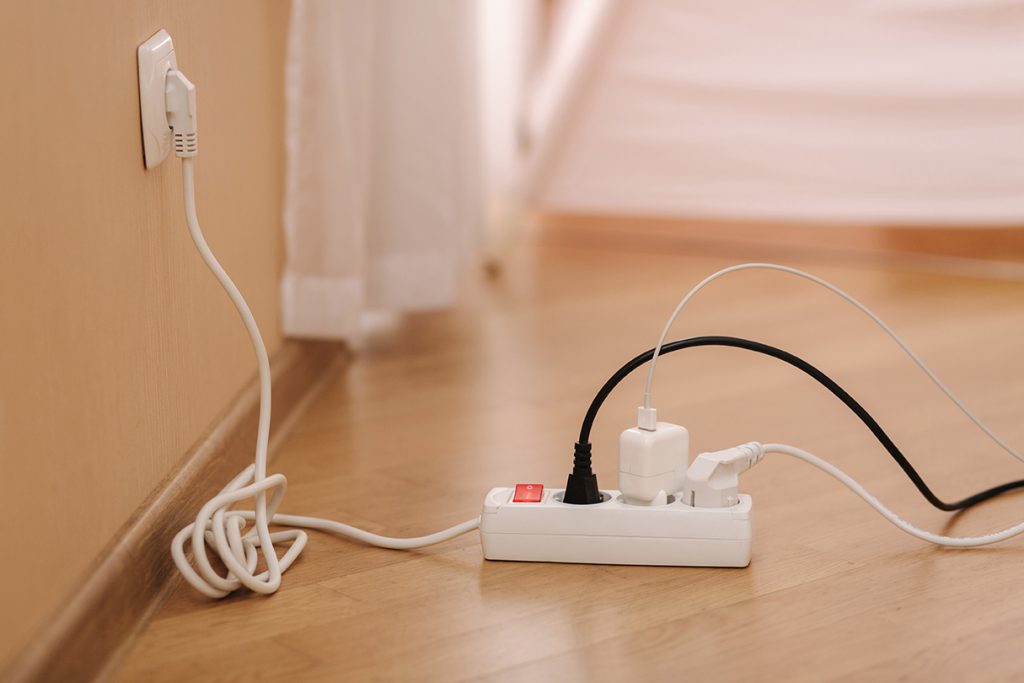
A house fire can be devastating, not just in terms of property loss but also in the impact it has on families and communities. At Famous & Spang, we prioritize keeping homeowners informed and prepared to prevent potential fire hazards. Based on our claims data and industry expertise, we’ve compiled essential fire prevention tips to help you safeguard your home and loved ones.
Electrical Safety: A Common Culprit
One of the leading causes of house fires is faulty wiring and electrical malfunctions. Many homeowners may not realize their wiring is outdated or overloaded until it’s too late. Here’s what you can do to minimize the risk:
- Inspect cords regularly – Check all electrical cords throughout your home for signs of fraying or damage. If you notice any wear and tear, replace them immediately.
- Avoid covering wires – Never pinch or cover electrical cords with rugs, furniture, or other items that could cause overheating.
- Know your home’s electrical capacity – Overloading circuits can be dangerous. If you frequently experience flickering lights or tripped breakers, consider having an electrician assess your system.
- Use surge protectors wisely – Unlike basic power strips, surge protectors help safeguard valuable electronics like computers and televisions from sudden power spikes.
Kitchen Safety: Prevent Cooking-Related Fires
The kitchen is often the heart of the home, but it’s also one of the most common places for fires to start. Cooking fires can spread rapidly, but following these simple precautions can help prevent a disaster:
- Stay in the kitchen – Never leave a stove or oven unattended while cooking. A few seconds of distraction can lead to flames spreading quickly.
- Keep a fire extinguisher handy – Having a kitchen fire extinguisher within reach and knowing how to use it can be a lifesaver.
- Clean your appliances – Built-up grease and food splatter in ovens and on stovetops can ignite when heated. Regular cleaning helps prevent unexpected flare-ups.
- Know how to handle a grease fire – Never use water to put out a grease fire, as it can cause the flames to spread. Instead, smother the fire with a metal lid or baking soda.
Clothes Dryers: A Hidden Hazard
A surprising number of house fires originate from dryers. The combination of heat and lint buildup creates a highly flammable situation. Follow these steps to keep your dryer operating safely:
- Install your vent properly – If installing your own dryer vent, follow manufacturer instructions and use the recommended duct material. When in doubt, hire a professional.
- Clean the lint filter after every load – A clogged lint filter restricts airflow and increases fire risk.
- Check behind and under the dryer – Lint can accumulate in hidden places, so be sure to clean these areas regularly.
- Schedule a vent cleaning – Dryer vents should be professionally cleaned at least once a year to ensure proper airflow and prevent blockages.
Heating Systems: Staying Warm Without the Risk
Space heaters, wood stoves, and alternative heating sources can be lifesavers in the winter, but they also pose a fire hazard if not used properly. Here’s how to heat your home safely:
- Use modern space heaters – Older models may lack essential safety features. Always choose UL-listed heaters with automatic shutoff functions.
- Keep heaters away from flammable objects – Curtains, furniture, and bedding should never be placed near space heaters.
- Follow installation guidelines for wood or pellet stoves – Improper installation can lead to fires. If unsure, hire a certified professional to set up your system.
- Ensure compliance with local codes – Before installing any alternative heating system, check that it meets state and local regulations.
Chimney Maintenance: Preventing Fires Before They Start
A neglected chimney can become a serious fire hazard. Creosote buildup from burning wood can ignite, leading to dangerous chimney fires. Prevent this by:
- Scheduling annual inspections – Hire a Chimney Safety Institute of America (CSIA)-certified chimney sweep to inspect and clean your chimney before winter.
- Burning only seasoned wood – Green or damp wood produces excess creosote, increasing fire risk.
- Avoiding inappropriate materials – Never burn cardboard, wrapping paper, or trash in your fireplace, as these can cause chimney fires.
Final Thoughts
House fires can happen in an instant, but with proper precautions, they can also be largely preventable. By taking proactive steps to maintain electrical safety, practice smart cooking habits, and ensure proper maintenance of appliances and heating sources, you can significantly reduce the risk of a fire in your home.
At Famous & Spang, we’re committed to keeping our community safe. If you have any concerns about your home’s fire safety or need guidance on protecting your property, reach out to us today. Let’s work together to make fire prevention a priority!!ed, and protect your home from plumbing disasters!


