

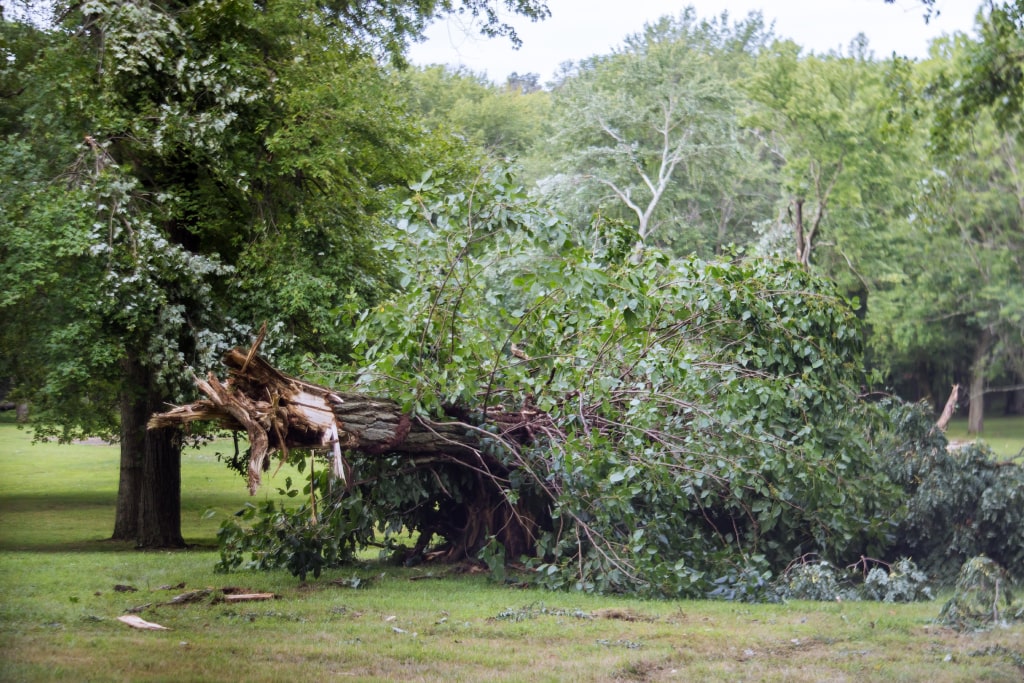
Fallen Trees and Freak Accidents: Who Pays?
A powerful storm rolls through your neighborhood. The next morning, you wake up to find a massive tree limb on your roof—or worse, your neighbor’s tree has crushed your fence or damaged your car. The first question that comes to mind is: Who’s responsible?
When nature gets wild, figuring out who pays for the damage can be confusing. Many homeowners assume that if it’s your tree, it’s your fault—but that’s not always how insurance sees it.
In this post, we’ll break down the basics of tree damage insurance, your responsibilities as a homeowner, and what your homeowners policy (and your neighbor’s) says about storm-related damage.
When Does Homeowners Insurance Cover Tree Damage?
Generally speaking, your homeowners insurance will cover damage caused by a fallen tree—but only under certain conditions.
Most policies cover tree damage if:
- The tree fell due to a covered peril (windstorm, lightning, snow, etc.)
- The tree damages a covered structure (home, garage, fence, etc.)
- The tree is on your property or a neighbor’s, as long as negligence isn’t involved
Your policy’s dwelling coverage will pay to repair the structure, while other structures coverage may handle damage to fences or sheds. You may also have debris removal coverage to help clear the fallen tree, depending on your limits.
What If Your Neighbor’s Tree Falls on Your Property?
Here’s where things get tricky—and often misunderstood.
If your neighbor’s tree falls on your property during a storm and damages your home, you are usually responsible for filing a claim with your own insurance company. This is true even if the tree belonged to your neighbor, as long as:
- The tree was healthy before the storm
- There was no prior evidence of neglect or hazard
In other words, insurance treats falling trees from storms as “Acts of God.” The damage follows the property, not the tree.
However, if your neighbor knew the tree was dead or dangerous and failed to remove it, and that negligence contributed to the fall, you may be able to recover costs from their insurance or pursue legal action. Documentation and history matter here—so keep records of previous complaints or requests.
What About Trees That Fall Without Causing Damage?
If a tree falls in your yard but doesn’t hit anything, most homeowners insurance policies will not pay for removal, unless:
- The tree is blocking a driveway or handicap-accessible ramp
- It fell due to a covered peril (wind, snow, etc.) AND debris removal is explicitly included in your policy
Even then, policies typically limit debris removal coverage to $500–$1,000, so check your limits carefully.
Who Pays for Damage to Cars from Falling Trees?
If a tree (yours or your neighbor’s) falls on your car, your auto insurance—not your homeowners insurance—will likely cover the damage, but only if you have comprehensive coverage on your policy.
Comprehensive auto insurance covers damage from:
- Falling objects (like trees or limbs)
- Fire, theft, and vandalism
- Storms, hail, and floods
If you don’t have comprehensive coverage, you’ll be responsible for paying out of pocket.
What If the Tree Was Diseased or Neglected?
This is where liability comes into play.
If a homeowner ignores a clearly dead, leaning, or rotting tree, and it falls and causes damage, they may be held liable for the damage—even if it falls on a neighbor’s property.
In this case, the neighbor may:
- File a claim through your liability coverage (part of your homeowners policy)
- File a lawsuit to recover costs
That’s why it’s so important to properly maintain trees and document any concerns brought up by neighbors.
Tree Damage Claim Checklist
If a tree falls and causes damage, follow these steps:
- Document everything with photos and videos
- Secure the area and prevent further damage
- Contact your insurance agent immediately to file a claim
- Save receipts for any emergency services or cleanup
- Request estimates for repair and removal services
Your insurance provider will guide you through the process and explain which parts of your policy apply.
Preventing Tree Trouble Before It Happens
While you can’t stop every storm, you can take steps to reduce the risk of falling trees:
- Trim overhanging branches
- Remove dead or leaning trees promptly
- Hire an arborist to inspect large trees near your home
- Talk to your neighbors about shared concerns
A little maintenance now can prevent a costly surprise later.
Let Famous & Spang Help You Weather the Storm
At Famous & Spang Insurance, we help Maryland homeowners understand what their policies actually cover—before they need to file a claim.
Whether you’re wondering if you have enough storm claim protection, need help with a recent incident, or just want to review your tree damage insurance limits, we’re here to help.
Call us today at 410-272-2300
or
Visit famousspanginsurance.com to schedule a policy review or request a quote.
Because when the branches fall, you shouldn’t be left picking up the pieces alone.


